
Chemical Peels
in Rolling Meadows, IL
At ALURIA, chemical peels are offered as a controlled way to renew the outer layers of the skin and reveal a fresher, more even complexion. Each peel is selected according to your skin type, your concerns, and how much downtime fits your schedule. Treatments can be gentle enough for routine maintenance or stronger for more noticeable change. Your plan begins with a conversation about your goals so the approach matches your skin.
Understanding Chemical Peel Treatment
A chemical peel is a professional skin treatment in which a carefully formulated acid solution is applied to the skin to dissolve the bonds between dead surface cells. This controlled exfoliation encourages the skin to shed damaged layers and replace them with newer cells. Peels are generally grouped as superficial, medium, or deeper, depending on how far the solution works into the skin. Common ingredients include glycolic, lactic, salicylic, and trichloroacetic acids.
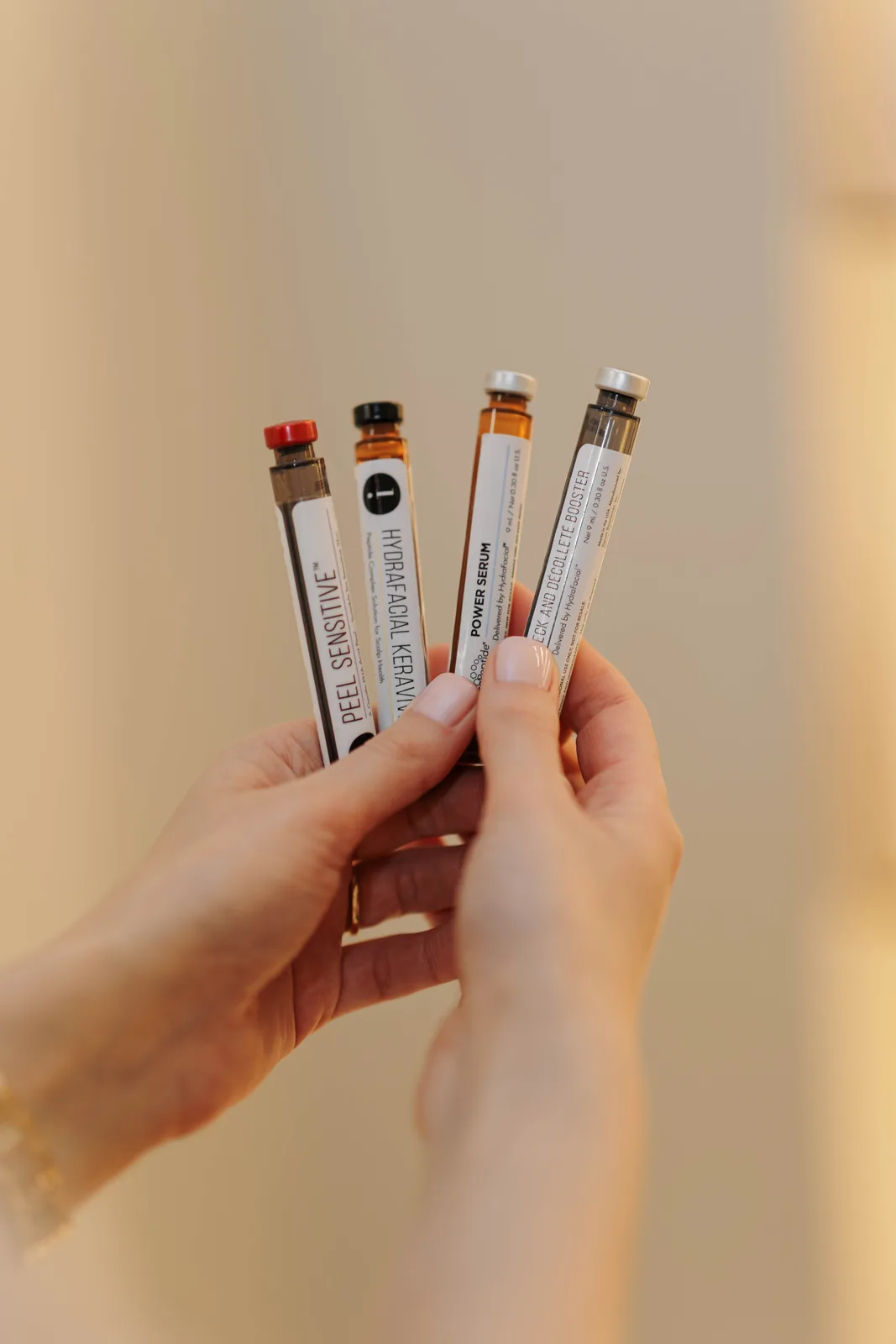
How Peels Renew the Skin
The strength, ingredients, and contact time of a peel are adjusted to target specific concerns such as dullness, uneven pigment, rough texture, or congested pores. Gentler acids like lactic acid suit drier or more sensitive skin, while salicylic acid works well for oily, breakout-prone skin because it can clear debris from within pores. As old surface cells are removed, the skin’s natural renewal cycle is stimulated, supporting a smoother and more uniform appearance. The goal is steady, predictable improvement tailored to your skin.

Getting Ready for Your Peel
- Discussing Your Skin Goals
Your first visit focuses on your concerns, your skin history, and the results you hope to see. Your provider will review your current skincare routine and any products or medications that may affect how your skin responds. This conversation helps determine which type and strength of peel is appropriate for you.
- Analyzing Skin Below the Surface
These insights make it easier to set clear priorities for your treatment plan. Repeat imaging over time can also help track how your skin changes across a series of peels.
- Prepping Skin at Home
You may be asked to pause retinoids, exfoliating acids, or scrubs for several days before your appointment. Daily broad spectrum sunscreen and avoiding tanning help the skin respond more evenly. Some patients use a recommended prep regimen in the weeks before a stronger peel.
Your Peel Appointment Step by Step
- Cleansing and Degreasing
The skin is thoroughly cleansed to remove makeup, oil, and debris. A degreasing solution is then applied so the peel can penetrate evenly across the treatment area. Sensitive areas such as the corners of the eyes and lips may be protected before the next step.
- Applying the Peel Solution
The chosen solution is applied in smooth, even layers using a brush, gauze, or applicator. Many patients notice a warm or tingling sensation while the acid works. A small fan may be used to keep you comfortable during this stage.
- Timing and Neutralizing
Your provider monitors the skin closely and times how long the solution stays on. Depending on the formula, the peel is either neutralized or allowed to self limit. This careful timing controls the depth of exfoliation.
- Soothing and Protecting the Skin
Once the peel is complete, a calming product and moisturizer are applied to support the skin barrier. Sunscreen is added as the final layer before you leave. Most superficial peels are finished within a short appointment.
Schedule Your Consultation
Caring for Skin After Treatment
Over the following days, the skin works through its natural renewal process and may feel tight or gradually shed. Gentle cleansing, steady moisturizing, and diligent sunscreen use support this phase. Let any flaking release on its own rather than picking at it, and hold off on active skincare until your provider advises. Lighter peels typically allow a quick return to daily routines.
When You Will See Results
Many patients notice a brighter, smoother surface within about a week after a light peel. Improvements in pigment and texture tend to build with each session in a series. Stronger peels can produce more pronounced changes that continue to refine over several weeks as new skin matures.
Who Is a Good Fit
-
Adults with concerns such as dullness, uneven tone, sun spots, or rough texture
-
People without active skin infections or open wounds in the treatment area
-
Patients willing to follow pre and post care instructions and use daily sunscreen
-
Those who have not recently used medications that increase skin sensitivity, as reviewed with a provider

Benefits You Can Expect
Chemical peels can visibly brighten the complexion, soften fine lines, and fade discoloration from sun exposure or past blemishes. Clearer pores and a smoother surface help makeup apply more evenly. Regular peels can also help skincare products absorb more effectively, supporting results between visits.
Cost of Chemical Peels in Rolling Meadows, IL
Chemical peels in Rolling Meadows, IL generally range from $150 to $600 per session, depending on the type and strength of peel selected. Lighter superficial peels usually fall at the lower end of that range, while stronger formulas that work deeper into the skin are typically priced higher. Pricing also varies by provider, treatment area, and overall treatment plan.
Why Patients Choose Our Practice
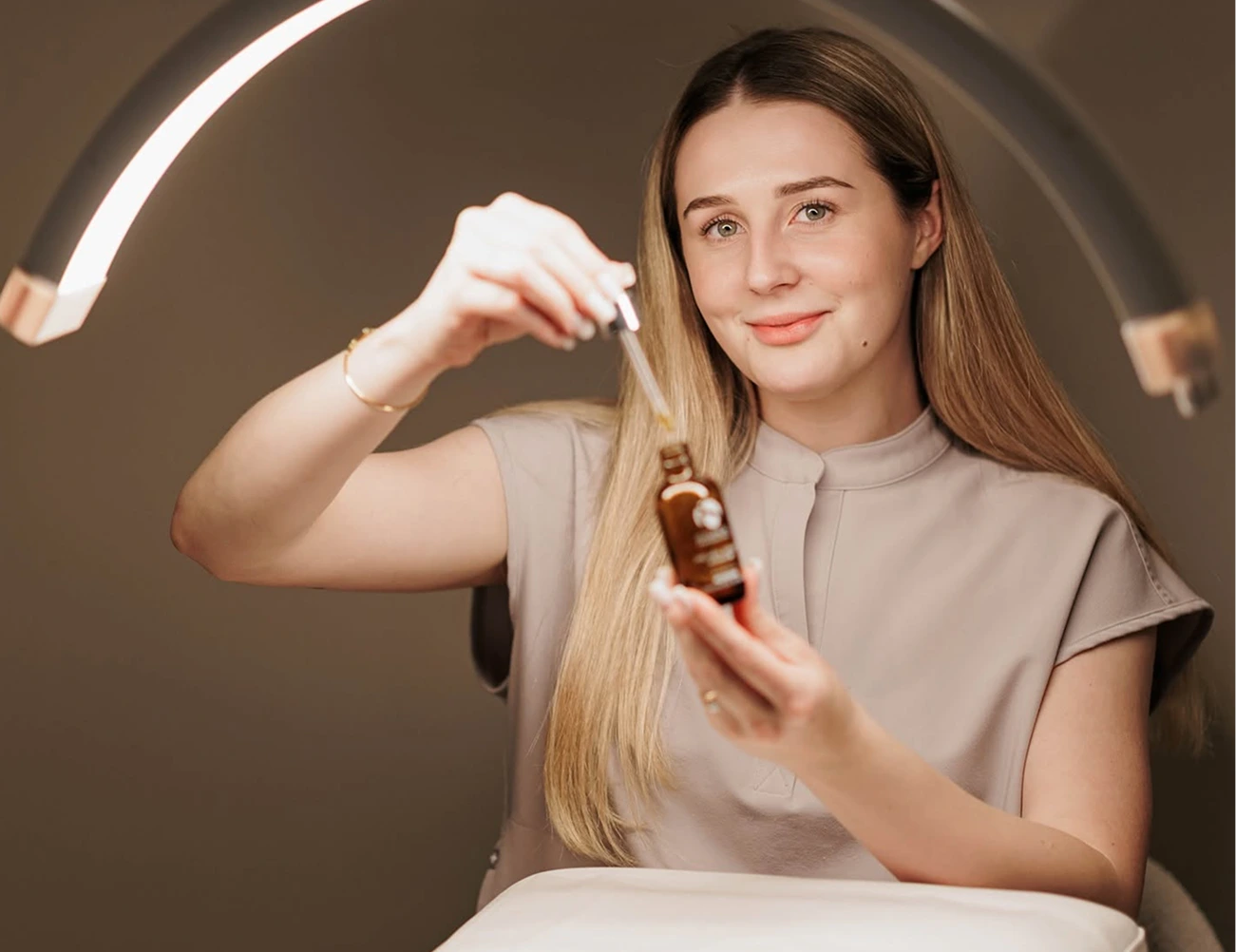
Our practice brings together a range of skin services under one roof, so peels can be coordinated with options like RF Microneedling when appropriate.
Common Questions About Peels
How many chemical peel sessions will I need?
Many people benefit from a series of three to six light peels spaced a few weeks apart. Stronger peels are usually performed less often. Your provider will suggest a schedule based on your goals and how your skin responds.
Does a chemical peel hurt?
Most patients describe a warm, tingling, or mildly stinging sensation while the solution is on the skin. This feeling usually fades once the peel is neutralized or removed. Cooling measures during the appointment help keep you comfortable.
Can I wear makeup after a chemical peel?
After a light peel, many patients can resume makeup within a day or so once the skin feels calm. Stronger peels may call for a longer pause. Follow the specific guidance you receive at your appointment.
Can chemical peels be combined with other treatments?
Yes, peels are often planned alongside services such as Hydrafacial Treatments, Dermal Filler, or Neurotoxin for a more complete approach. Timing between treatments matters, so sessions are spaced appropriately. Your provider will map out a sequence that suits your skin.
How long do chemical peel results last?
Results from a single light peel typically last several weeks, while a full series can produce longer lasting improvement. Daily sunscreen and a consistent skincare routine help preserve your results. Periodic maintenance peels keep the skin looking refreshed.


Thoughtful treatments, meticulous artistry, and a plan created around you.
A More Personal Approach
to Aesthetics
A luxury Rolling Meadows med spa where premium technology and skilled providers shape every treatment around your features, your goals, and the result you want.