
Laser hair removal is the better choice for long-term hair reduction. It disables the hair follicle, while waxing only pulls the hair out and lets it grow back. Waxing still has a place, and some people will keep using it. This guide covers how each method works, how the two compare, and who is a good fit for each.
Laser hair removal uses concentrated light to reach the pigment inside each hair. The light turns into heat and travels down the hair shaft to the follicle that produces it. A damaged follicle grows hair more slowly, grows finer hair, or stops growing hair altogether.
At ALURIA, we perform laser hair removal with the Candela GentleMax Pro. We chose this medical-grade laser because it is well established and gives consistent results. We treat areas of the face and body for both women and men, from the upper lip and chin to the full legs, back and beard line.
Waxing removes hair by spreading wax over the skin and pulling it away. The hair comes out at the root, so the skin stays smooth longer than it does after shaving. The follicle stays intact, and a new hair starts growing right away. Most people return for another wax every three to six weeks.
The main difference is what happens to the follicle. Waxing removes the hair and leaves the follicle ready to grow another one. Laser targets the follicle itself, so each session reduces how much hair can return.
That difference shapes everything else. It affects how many visits you need, how long results last, and how your skin responds over time.
Laser works by finding pigment in the hair. Dark, coarse hair responds well. Very light blond, red, gray or white hair has little pigment, so the laser has less to target. Waxing removes hair of any color, which is why it remains an option for people with light hair.
Skin tone matters too. We serve patients of all ethnicities and backgrounds, and the GentleMax Pro lets our team adjust settings for different skin tones. Before treatment, we look at your hair color, hair thickness and skin type to decide whether laser fits your goals.
Both methods cause some discomfort. Waxing produces a quick, sharp sting as the hair is pulled out. Many patients describe laser as a fast snap against the skin, similar to a rubber band. The GentleMax Pro includes a cooling feature that helps keep the skin comfortable with each pulse.
Laser often feels easier as treatment goes on, because there is less hair in the area each session. Waxing tends to feel about the same every time.
A wax appointment is short, but it repeats every few weeks with no end point. Hair must also grow out to about a quarter inch before each wax. That means living with visible stubble between visits.
Laser sessions are also quick for most areas. You can shave between sessions, so you never have to grow hair out. Once your series is complete, you spend far less time on hair removal overall.
If you want smooth skin for an event in the next few days, waxing gives an immediate result. If you want less hair for years, laser is the method designed for that goal.
Waxing does not reliably reduce hair over time. Some people notice slightly finer regrowth after years of waxing, but the follicle keeps working. Laser produces a lasting reduction in hair. Most patients see a large drop in hair density once they finish their series.
It is important to describe laser accurately. It is hair reduction, not a promise that every hair is gone forever. A few fine hairs may return, especially with hormonal changes.
Hair grows in cycles. Laser only affects follicles that are actively growing hair at the time of treatment, which is why it takes a series. Many patients need six to eight sessions spaced several weeks apart. Facial hair often needs sessions closer together, while body areas need more time between visits.
Waxing results last a few weeks. After that, the cycle starts again.
Ingrown hairs are a common complaint with waxing, especially on the bikini area and legs. When a hair breaks during waxing or grows back at an angle, it can curl under the skin and cause bumps. Waxing can also leave the skin red and tender for a short time.
Laser reduces the number of hairs that grow back, so fewer hairs can become ingrown. Many patients who struggled with bumps see smoother skin as treatment progresses. Mild redness after a laser session usually settles within a few hours.
During a laser series, you can shave between visits. You should avoid waxing, plucking and threading, because the laser needs the hair root in place to work. We also ask patients to limit sun exposure on the treatment area.
Waxing maintenance is simple but constant. You wait for regrowth, then wax again.
Pros and Cons of Each Method
Pros:
Lasting reduction in hair growth
Fewer ingrown hairs over time
Shaving allowed between sessions, so there is no grow-out phase
Works well on large areas such as the back and full legs
Fewer total appointments over the years
Cons:
Requires a series of sessions before full results show
Less effective on very light blond, red, gray or white hair
Requires sun protection on treated areas during the series
Touch-up sessions may be needed
Pros:
Immediate smooth skin
Removes hair of any color
No series required
Cons:
Hair always grows back, usually within weeks
Hair must grow out before each appointment
Common cause of ingrown hairs and bumps
Repeat visits continue with no end point
The bikini and Brazilian areas are where many patients notice the biggest difference. Hair there tends to be dark and coarse, which responds well to laser. Waxing these areas is often the most uncomfortable and the most likely to cause ingrown hairs.
Underarms are another popular area, and many patients pair underarm laser with a Brazilian. For patients who also deal with heavy underarm sweating, we offer Botox. It treats sweating rather than hair, so it works alongside laser.
Men often come to us for the beard line, neck, chest and back. Laser can define a beard line and reduce dense back hair without the repeated waxing many men find uncomfortable.
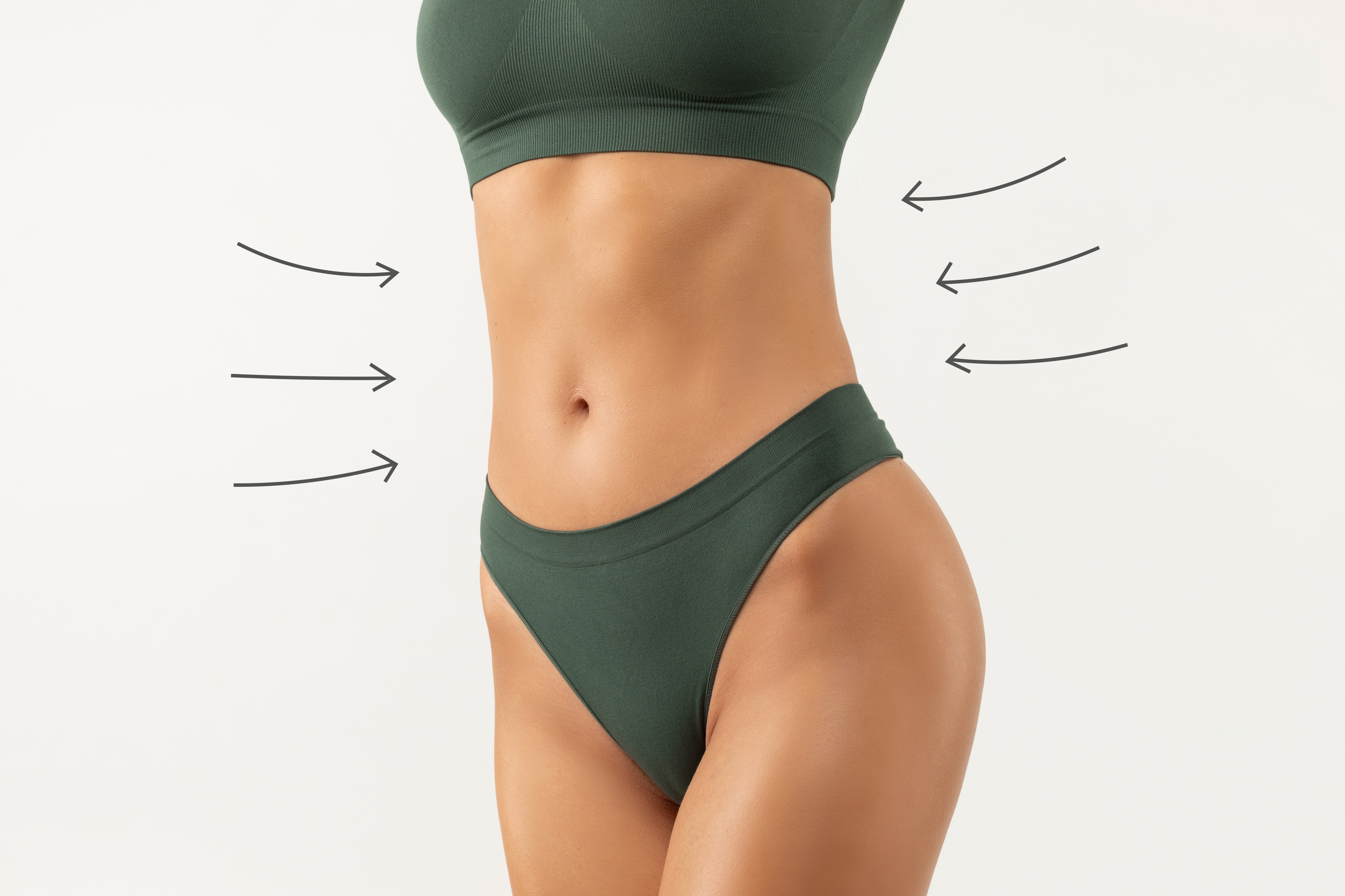
Waxing still makes sense for some people:
Those with very light blond, red, gray or white hair
Those who want smooth skin for a single upcoming event
Those who prefer not to commit to a series of sessions
Those who cannot avoid sun exposure on the area during a laser series
If you are unsure which group you fall into, our team can review your hair and skin with you and explain your options.
When patients ask us “Laser Hair Removal vs. Waxing: Which Is Better for Long-Term Hair Reduction?” our answer comes from how each method works. Waxing leaves the follicle intact, so regrowth is certain. Laser damages the follicle, so regrowth slows and thins with each session. Results depend on hair color, skin type and the area treated. That is why we build each plan around the individual patient rather than selling a standard package.
For long-term hair reduction, laser is the stronger choice for most people with darker hair. Waxing works well for short-term smoothness and for hair that laser cannot target. Our team speaks English, Ukrainian, Russian and Polish, so you can talk through your options in the language you are most comfortable with.
If you came here asking “Laser Hair Removal vs. Waxing: Which Is Better for Long-Term Hair Reduction?” the answer is laser for most people. Waxing fades in weeks, while laser builds lasting results over a series of sessions.
Laser targets the follicle; waxing only removes the hair.
Dark, coarse hair responds well to laser. Light hair may still call for waxing.
Laser takes a series, then occasional touch-ups.
Shave, never wax or pluck, between laser sessions.
Fewer regrowing hairs means fewer ingrown hairs, especially in the bikini area.